

Importance of Coordinating Movement
Overview:
Coordinated movement is crucial for performing everyday activities and maintaining independence. It involves the smooth and efficient functioning of muscles and joints, controlled by the brain and nervous system. For individuals with cerebral palsy (CP), challenges in coordinating movement can significantly impact their quality of life.
Basic Daily Activities:
Eating and Drinking: Coordinated movement is essential for tasks such as using utensils, drinking from a cup, and bringing food to the mouth.
Dressing: Putting on clothes, tying shoelaces, and managing buttons or zippers require fine motor skills and coordination.
Personal Hygiene: Brushing teeth, washing, and grooming depend on the ability to control and coordinate hand movements.
Mobility and Independence:
Walking and Moving: Balance and coordinated leg movements are necessary for walking, running, and navigating different terrains.
Transfers: Moving from one position to another, such as from a wheelchair to a bed, requires upper and lower body coordination.
Communication:
Speech: Coordinated movement of the lips, tongue, and vocal cords is vital for clear speech. Individuals often face difficulties in these areas, impacting their ability to communicate verbally.
Gestures: Non-verbal communication, such as gestures and facial expressions, relies on coordinated muscle movements.
Social Interaction:
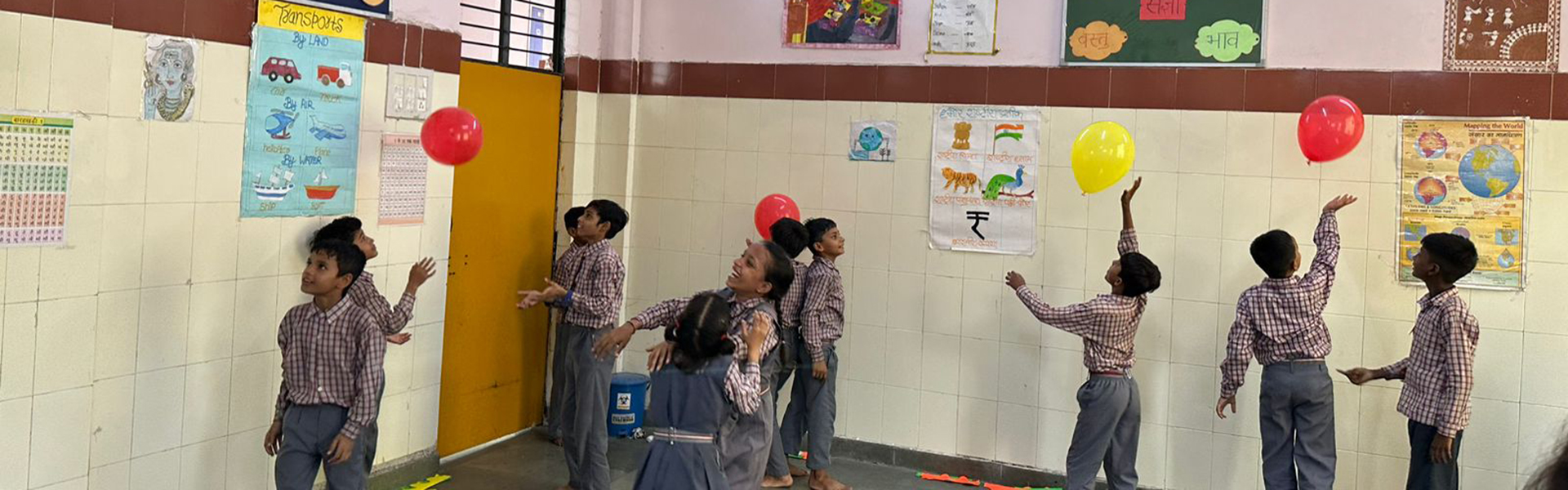
Playing and Participating: Engaging in games, sports, and social activities often requires coordination. For children, playing with peers helps in developing social skills and forming friendships.
Expressing Emotions: Facial expressions and body language are important for expressing emotions and understanding others' emotions.
Learning and Development:
Writing and Drawing: Fine motor skills are crucial for holding a pencil, writing, and drawing. Coordination problems can make these tasks challenging.
Using Technology: Operating a computer, tablet, or smartphone involves precise finger movements and coordination.
Safety:
Preventing Falls: Good coordination helps maintain balance and prevent falls, reducing the risk of injuries.
Navigating Environments: Coordinated movement allows individuals to safely navigate through various environments, avoiding obstacles and hazards.
Challenges for Individuals with lack of coordination in movement
Motor Control Issues: Spasticity, muscle weakness, and involuntary movements can impair coordination.
Fatigue: Due to the extra effort required for movement, individuals may tire more easily, affecting their ability to perform coordinated tasks consistently.
Adaptive Strategies: Developing and using adaptive strategies and devices can help mitigate the impact of coordination challenges.
Conclusion:
Coordinated movement is essential for many aspects of daily life, from basic self-care to social interaction and learning. Understanding and addressing the challenges faced by children in coordinating movement is crucial for enhancing their independence, safety, and overall quality of life.
 About Joyful Journeys
The joyful journeys mission is to empower children by providing them with a diverse array of engaging, adaptive, and inclusive activities that cater to their unique needs and abilities.....

 GET IN TOUCH
The Joyful Journeys
E: shivalikhaitan8@gmail.com
 social media

